Stop 1
The Redlining Boundary at Bronzeville
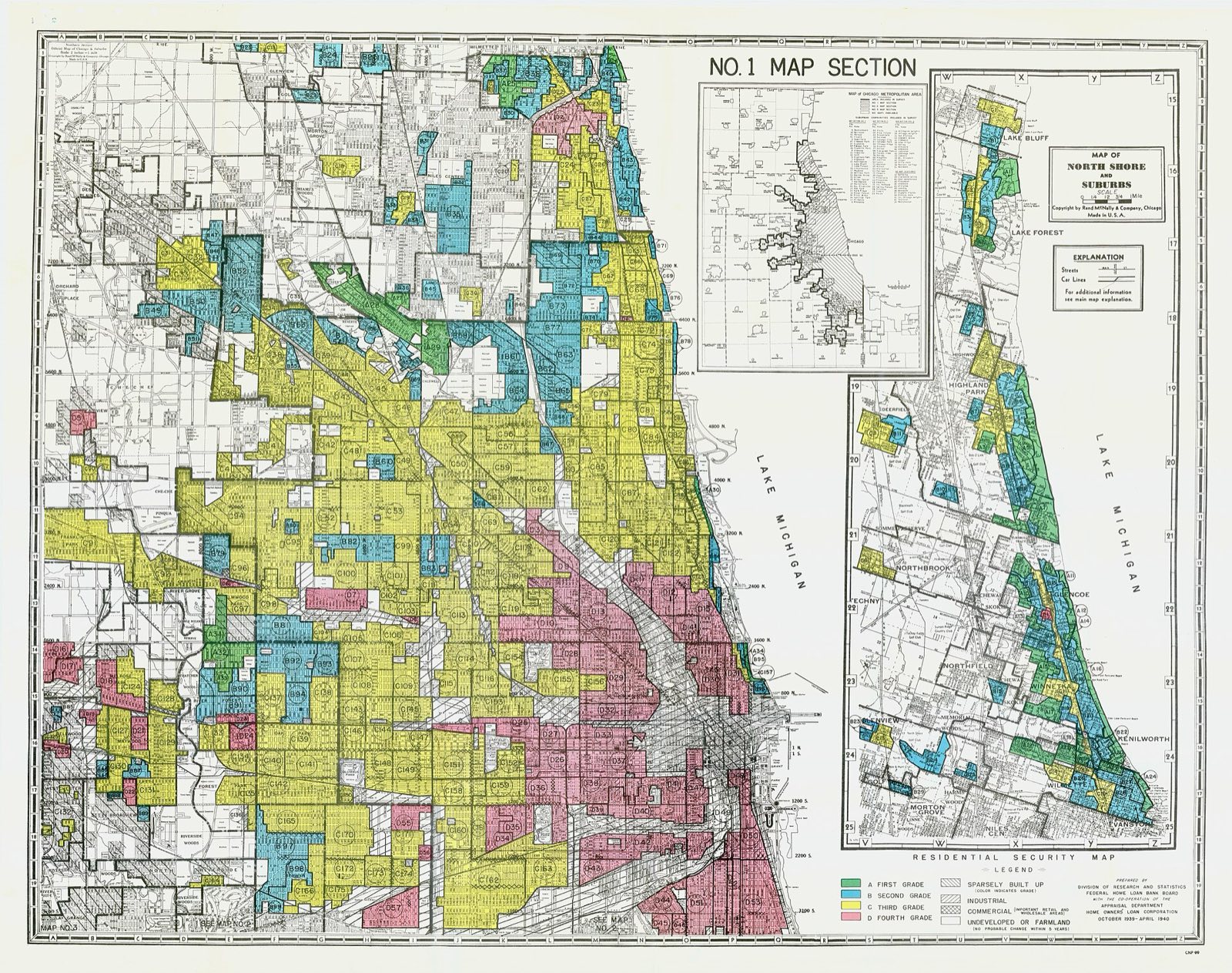
In the 1930s, the HOLC drew red lines around Bronzeville, labeling it hazardous for investment. The boundary ran along Cottage Grove Avenue, a line still visible today.
View Stop →Tours · Chicago
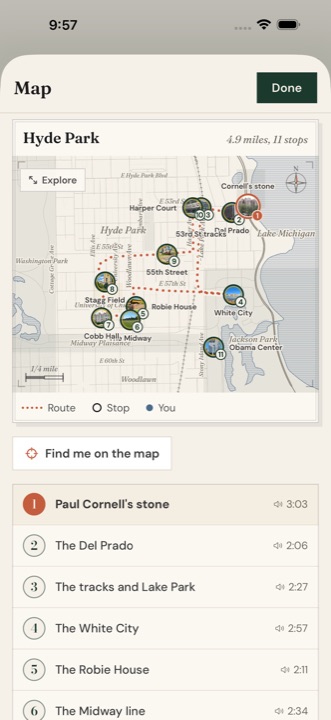
Self-guided stops across Chicago’s South and West sides. Each one connects a specific place to the policy that shaped it, including redlining maps, urban renewal plans, and highway routes. Walk them in order or pick the ones closest to you.
Stop 1
In the 1930s, the HOLC drew red lines around Bronzeville, labeling it hazardous for investment. The boundary ran along Cottage Grove Avenue, a line still visible today.
View Stop →Stop 2
The murals along 16th Street in Pilsen are declarations of resistance. Local artists have painted building-sized responses documenting the community history and its refusal to be erased.
View Stop →Stop 3
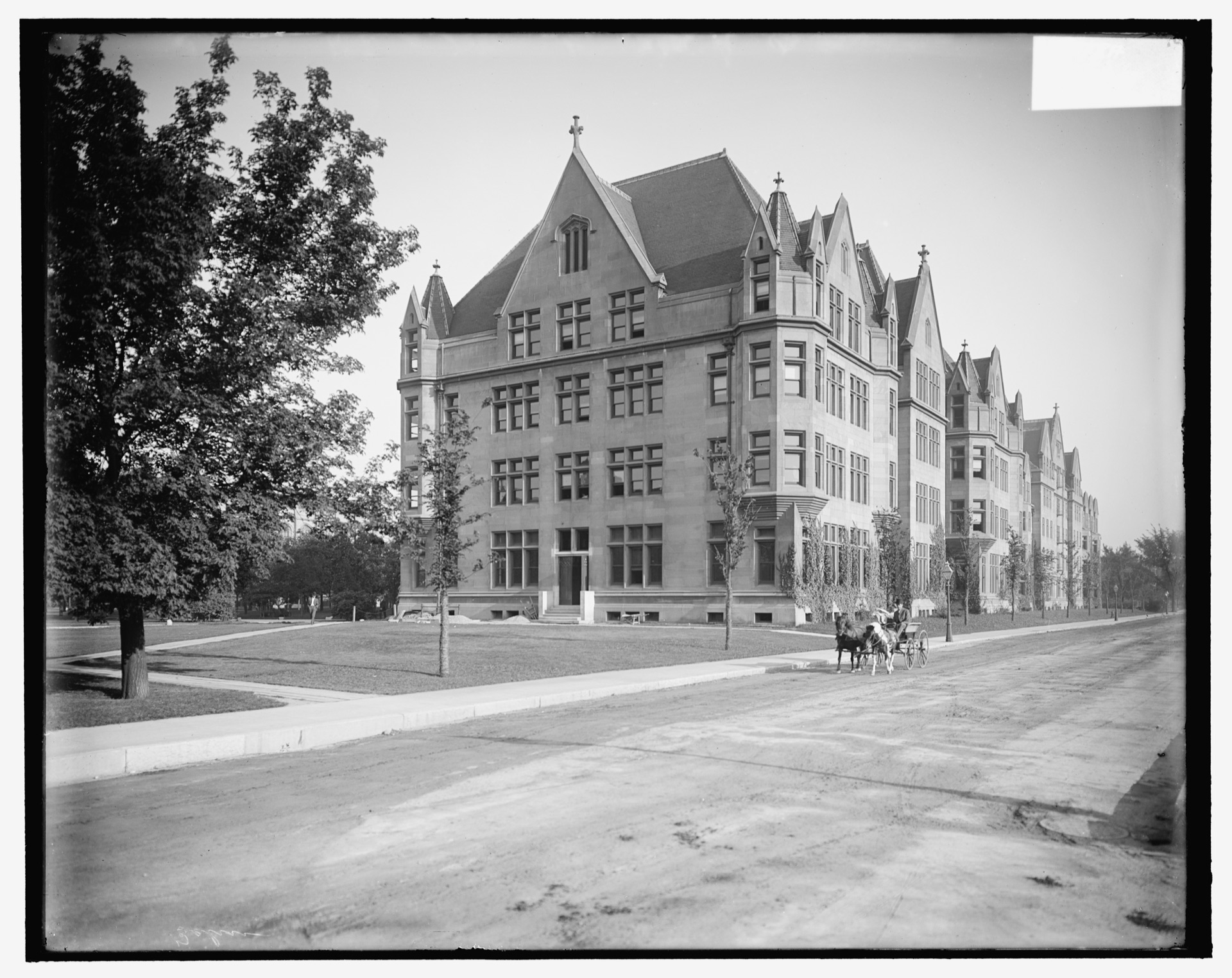
In the 1950s and 1960s, the University of Chicago led one of the most aggressive urban renewal campaigns, demolishing hundreds of buildings and displacing thousands of Black residents.
View Stop →More cities coming soon. Rooted Forward is expanding to New York, Dallas, and San Francisco.